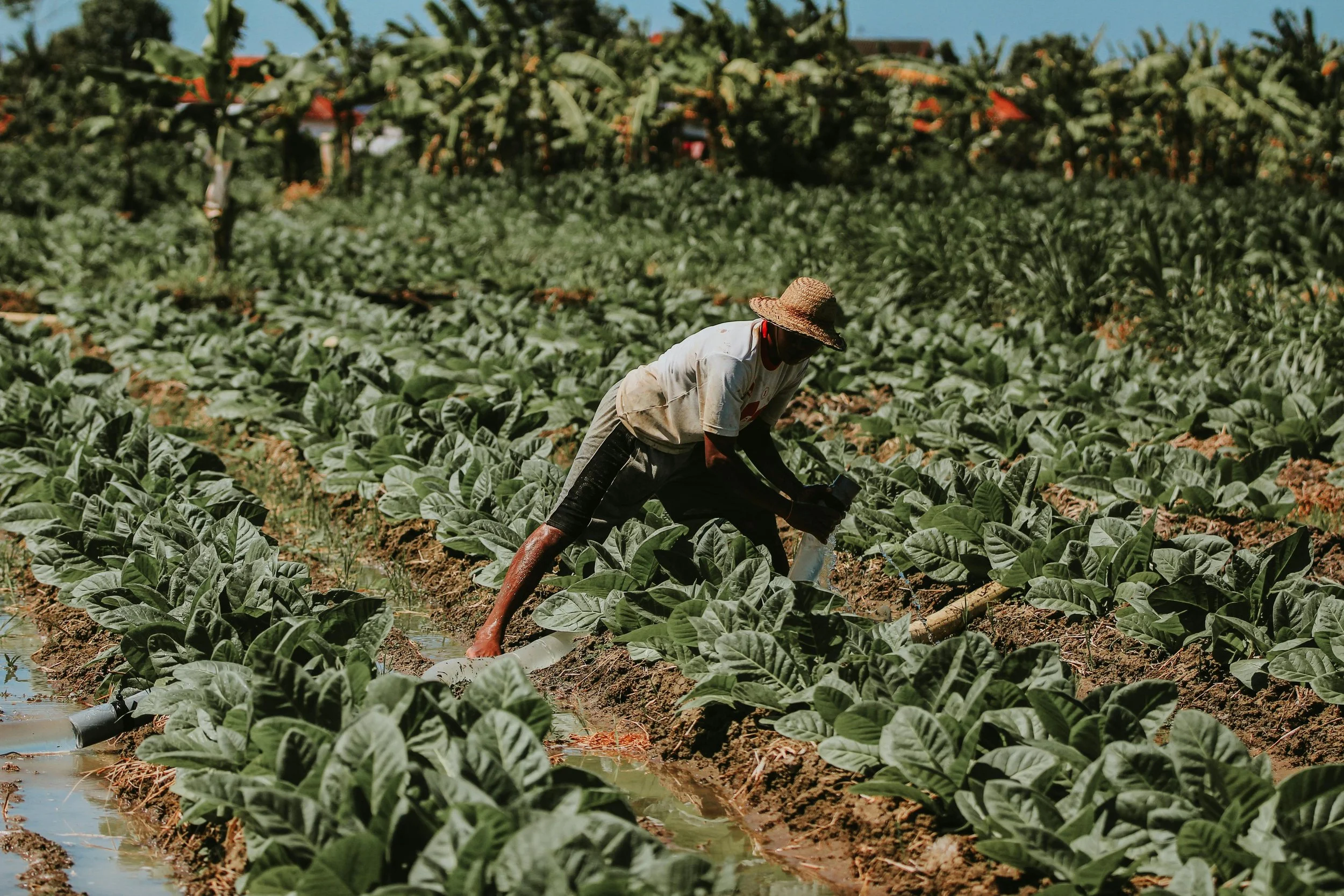
Asian & Mexican Farming History
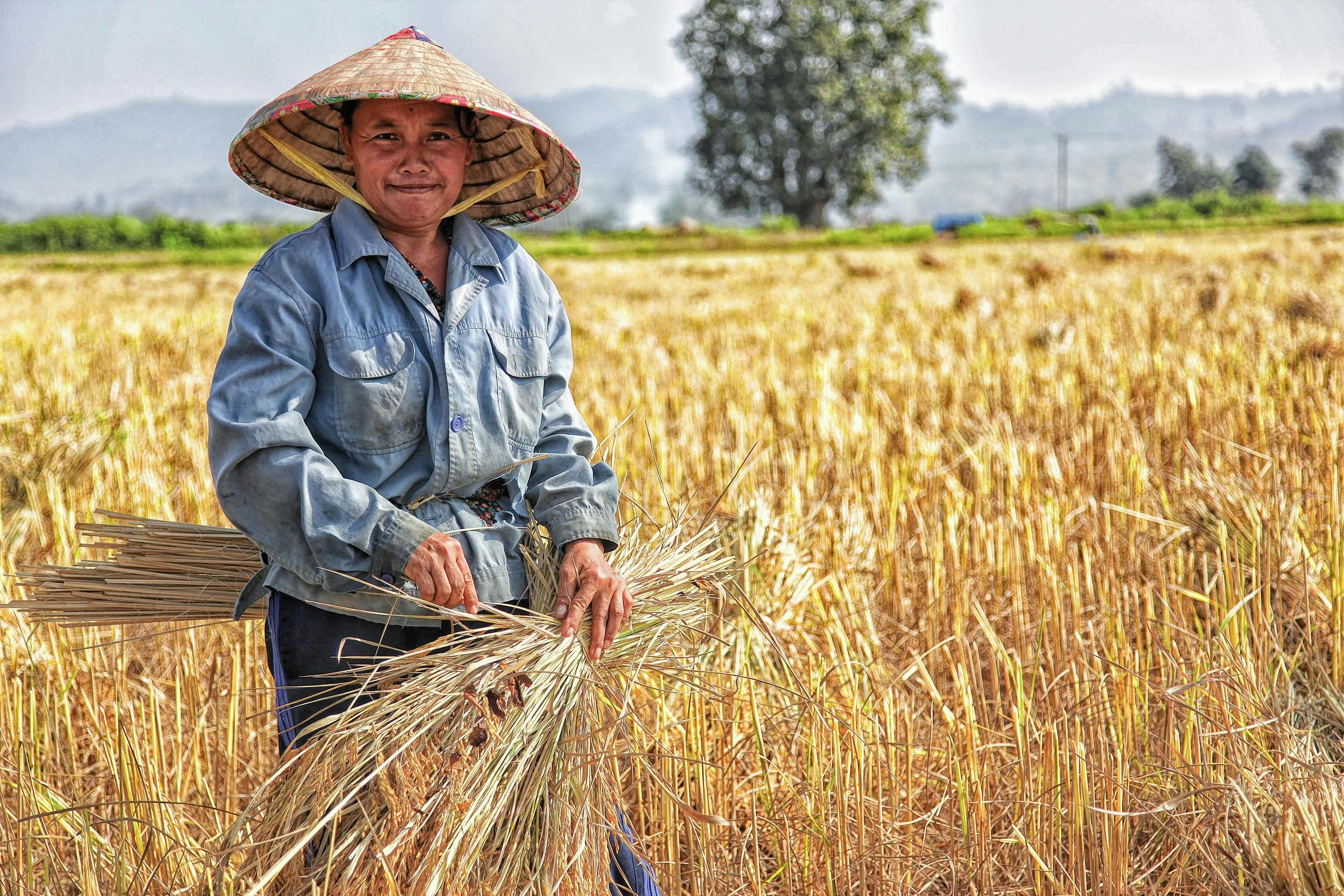
Asian Farming History
Asian farming history began in multiple regions, including East Asia (China) around 8000–7000 BCE with crops like rice and millet, and West Asia (the Near East) around 10,000–8,000 BCE with wheat, barley, and legumes. Important key developments included the invention of paddy fields for rice in China, with advanced tools like the moldboard plow, and the integration of complex irrigation systems.
-
The history of agriculture in China emerged around 8000–7000 BCE, relying on dry field farming and the annual rise of the Yangtze River.
The invention of paddy fields allowed for the intensification of rice production in the south.
Other domesticated crops included foxtail and broomcorn millets, Chinese cabbage, and hemp.
Domesticated animals included water buffalo, swine, and chickens.
The Han Dynasty saw advancements like the moldboard plow (Quan), which reduced friction and soil erosion.
-
Agriculture began around 10,000–8,000 BCE, making it one of the earliest centers for domestication.
Key crops domesticated were wheat, barley, lentil, pea, bitter vetch, and chickpea.
The region was also a center for the domestication of animals like sheep, goats, and pigs.
-
The transition to agriculture began around 10,000 BCE.
Rice became the staple crop, supplemented by taro and bananas.
Pigs, water buffalo, and chickens were also domesticated.
Techniques such as terracing and irrigation were developed.
-
Early agriculture developed in several regions, including the northwest (Indus region), southern India, the Gangetic plains, and eastern uplands.
Crops included various cereals and legumes, with early evidence of cultivation dating back to around 7000 BCE.
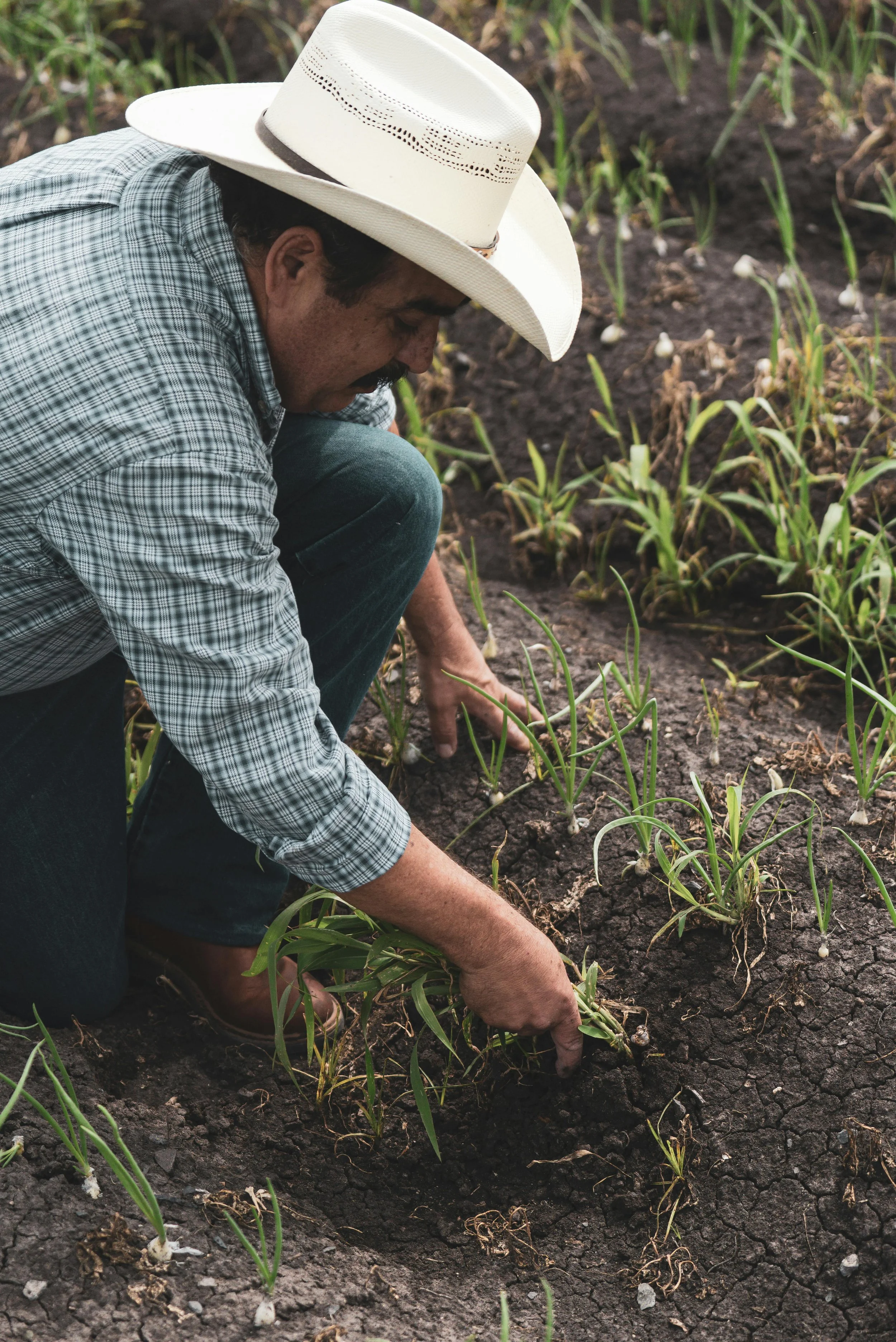
Mexican Farming History
Mexican farming history spans from ancient Mesoamerican agriculture, including the domestication of crops like maize, beans, and squash, to the colonial era with the introduction of European crops and the establishment of large estates (haciendas). Post-independence, agricultural exports grew, and land tenure systems caused conflict. In the modern era, large-scale migration for farm labor has been a key feature, influenced by programs like the Bracero Program.
-
Mexico was a primary center for the domestication of plants like maize, squash, chili peppers, and beans.
The traditional milpa system involved intercropping, which is still used today, but is now threatened by climate change.
Intercropping is the activity or practice of growing one crop among others of a different kind, usually in the space between rows.
Common intercropping examples include the traditional "three sisters" of corn, beans, and squash, where beans fix nitrogen for corn, corn acts as a trellis for beans, and squash suppresses weeds.
Farming supported complex societies and empires like the Aztecs and Maya through methods like irrigation, terracing, and the use of chinampas (artificial islands).
-
The Spanish introduced new crops such as wheat, barley, sugar, and fruits like apples and pears, as well as animal husbandry.
The land tenure system shifted, with the Spanish creating large haciendas and smaller ranchos, often taking land from indigenous communities.
Agriculture was crucial for the colonial economy, supplying food and materials for mining and export.
-
After Mexico gained independence, export agriculture diversified to include products like coffee, cacao, and sisal.
Land reform after 1857 often led to further conflict and land transfer from indigenous communities.
In the 20th century, programs like the Bracero Program facilitated temporary Mexican labor in U.S. agriculture, leading to long-term migration patterns.
Modern policies have focused on market-driven approaches, which have sometimes led to a greater reliance on imports for staples like corn.